
Mini Series 4: When Hearts Stop - Child CPR Simplified
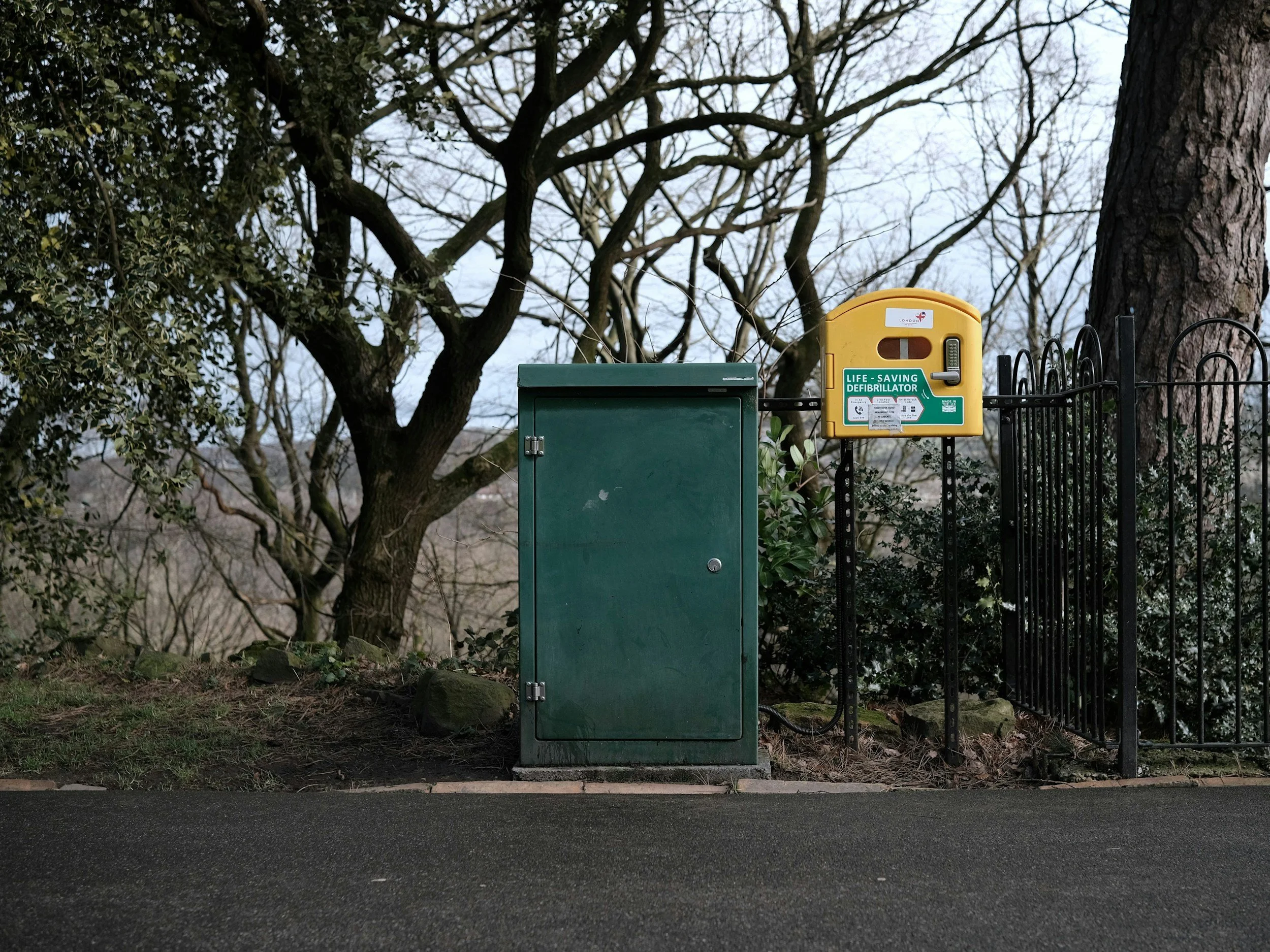
Using a Defibrillator (AED)
An AED can analyse the person’s heart rhythm and deliver a shock if needed.
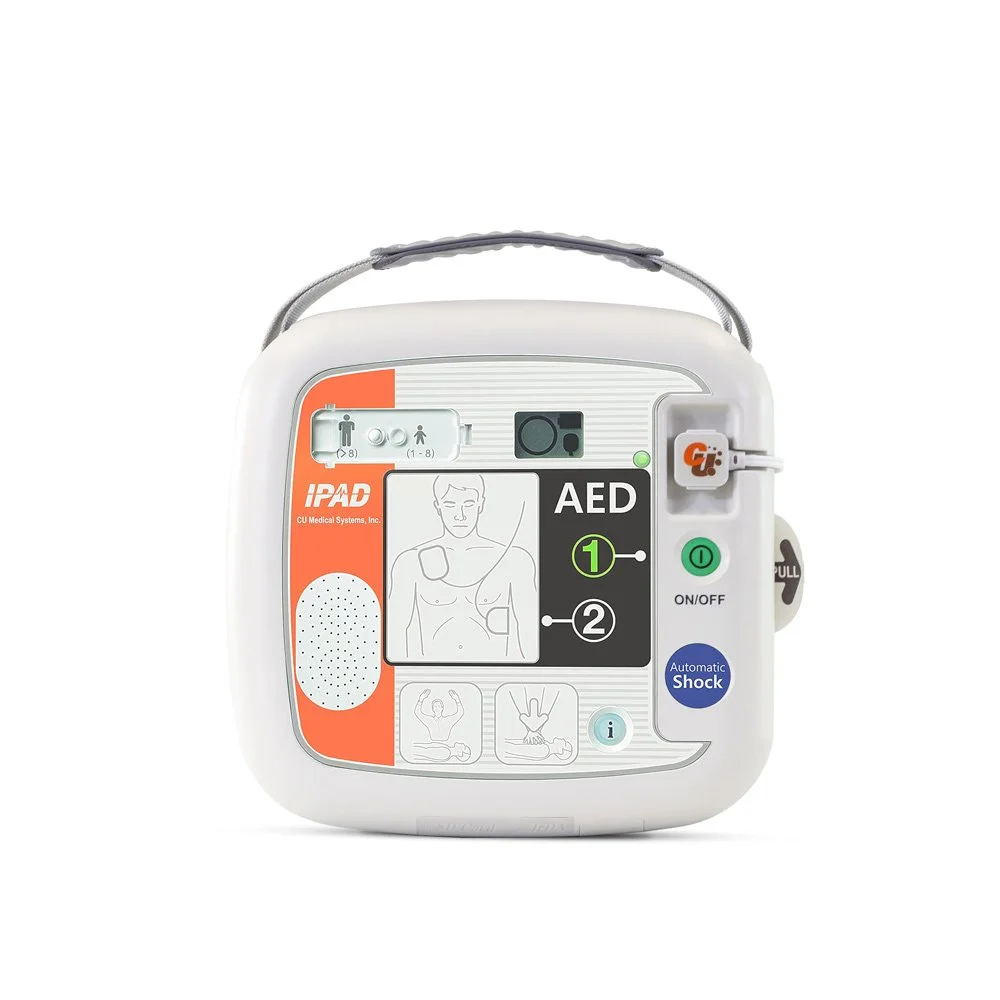
Steps to Use an AED
-
Switch on the AED and follow the voice prompts.
-
Attach the adhesive pads to the person’s bare chest (place one pad below the right collarbone and the other on the left side of the torso).
For infants and children under 8, use paediatric pads if available or use adult pads in the following position (one pad over the left chest and the other on their back in between the shoulder blades.)
If the child has a broad chest and the pads don’t touch each other you can use them in the same position as with an adult.
Note that it is safe to use an AED on any child or adult who requires CPR. You do not need to have paediatric pads or a paediatric switch on the AED to use it on a child.
-
Ensure no one is touching the casualty during the analysis or shock.
If shock advised, deliver shock by pressing the flashing, orange button.
If no shock advised, continue CPR.
Myth Buster: You cannot accidently shock someone with this device!
They are designed to only shock in the event someone needs it!
-
Continue CPR immediately after the AED shock or if the device advises no shock.
Continue until help arrives and tells you to stand clear.
Where is your nearest AED?
We know that the greatest chance of survival comes from high quality CPR and quick use of a defibrillator!
If you can use a defibrillator on someone within 3-5 minutes of collapse, their chances of survival triple!
For every minute wasted we lose 10% chance of survival.
Is it close enough?
If you couldn’t get a defibrillator and bring it home within 3-5 minutes, there isn’t one close enough to you!
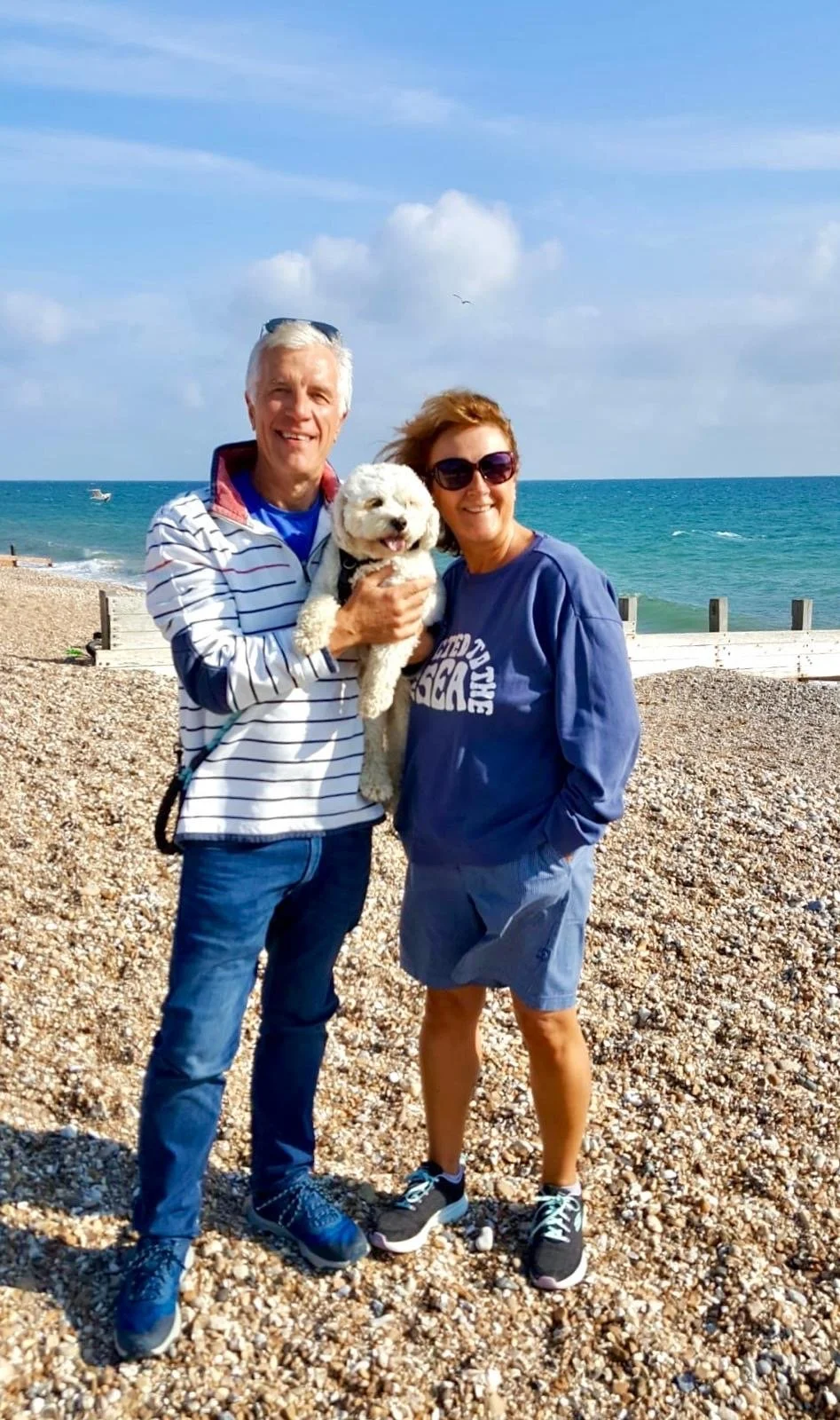
The Morning Everything Changed
It started like any other January morning.
Sally was in the kitchen. Bruceter and Mike had been for their morning walk and was being his usual snuggly self. And Mike — her fit, healthy, active husband — was making his morning coffee.
Suddenly, he slumped over the kitchen counter.
Sally thought he was messing around. He wasn't.
Mike wasn't breathing.
What happened next is the reason you're reading this right now.
Sally's old training kicked in — she'd worked as a dental hygienist for years and had done yearly CPR training. She grabbed the phone, dialled 999, and started pushing on Mike's chest. Hard and fast. Counting compressions out loud, just like she'd been taught.
But here's the thing that still stops me in my tracks when I think about it.
The nearest defibrillator was over an 8-minute walk away.
Eight minutes.
Sally knew exactly where it was. She'd seen it before. But she also knew that leaving Mike — even for a minute — wasn't an option. She couldn't stop CPR, even knowing the one thing that might save his life was up the road.
So the defibrillator sat in its box, 8 minutes away, while Mike's heart was silent.
Luckily, the ambulance arrived quickly — they were close, and that mattered. The crew used their defibrillator on Mike. He needed five shocks before his heart restarted.
Five.
He was rushed to hospital for an emergency stent. And eventually, he came home.
The first thing Mike did when he got back? He built a raised flower bed in the garden. When I asked him why that was the first thing on his list, he just shrugged and laughed.
Some things you just can't explain. You're just glad you're here to do them.
What Mike and Sally Did Next Changed Their Whole Community
Mike and Sally didn't just survive this. They acted —
They rallied their neighbours, raised funds, and placed a defibrillator on the wall just up the road. One minute from their front door. Right next to the community green, accessible from the close and the beach. Registered on The Circuit so anyone can find it in an emergency.
Then they went further. They organised a community event — Tea and Defibs — and invited Project CPR to come and teach everyone how to use it. Families, neighbours, dog walkers. All learning CPR and how to use the new AED together, on the lawn, with a cup of tea in hand.
To date, Mike and Sally have inspired over 60 people to get trained — and two defibrillators now sit in their community where there were none before.
Here's What I Need You to Take From This
Mike was fit. He was healthy. He was in his own kitchen.
80% of cardiac arrests happen at home or at work.
A defibrillator doesn't replace CPR — Sally's compressions kept Mike's blood moving until help arrived. But a defibrillator can restart a heart. CPR alone usually can't. That day, Mike needed both — and one of them almost wasn't close enough.
That's why we talk about defibrillators. Not to scare you. But because knowing where your nearest one is, and knowing how to use it, could be the difference between someone coming home and someone not.
Let's make sure you know exactly what to do. 💙
Meet the Jarrets
If your nearest AED isn’t near enough - take that guide to your next council meeting or rally your neighbours and raise funds to place one!