
Approx. 8-minute read
Author: Jo Whalen, Critical Care Paramedic (HCPC Registered), NHS Resuscitation Practitioner, RCUK Instructor
⚠️ Medical Disclaimer: This site, blog post, guide provides educational information only. It does not replace professional medical advice. In any emergency, call 999 immediately. For medical concerns about your child, always consult your GP or healthcare provider.
A Real-Life Scare No Parent Forgets
It happened on an ordinary afternoon.
My toddler, Winter, was playing happily in her mud kitchen when she proudly handed me a squished red berry.
My heart stopped.
I quickly rinsed her mouth, washed her hands, and began the anxious wait every parent dreads.
Nosebleeds, vomiting, an irregular heartbeat—two days in hospital.
Thankfully, she recovered, but I’ll never forget the guilt and fear.
That moment inspired Panic to Prepared and my mission to help parents feel calm, confident, and capable when emergencies strike.
Why Garden Plant Safety Matters for Parents
Children explore with their mouths and hands. Most plant-related poisonings happen in seconds—and most could be prevented with awareness.
You don’t need to rip out your whole garden. You just need to know what’s growing and what to do if curiosity wins.
What to Do If Your Child Eats or Touches a Poisonous Plant
If swallowed
Stay calm—panic won’t help.
Remove any plant pieces from their mouth.
Rinse with water.
Do not make them vomit.
Call 111 immediately.
Take a sample or photo of the plant to show medical staff.
(You can use apps like Picture This to help identify unknown plants).
If touched
Wash the skin with soap and water.
Avoid touching eyes or mouth.
Monitor for redness or rashes.
10 Poisonous Garden Plants Every Parent Should Know About
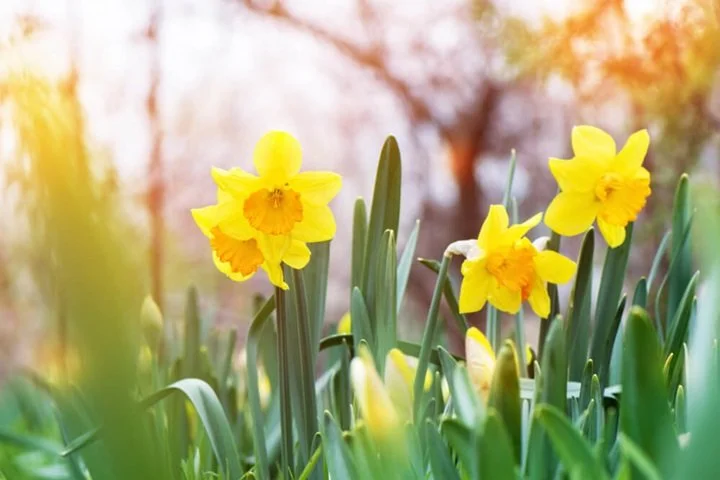
Daffodils
Toxic part: Bulbs
Symptoms: Vomiting, diarrhoea, dizziness, possible heart issues
Tip: Store bulbs safely; supervise planting.

Foxgloves (Digitalis purpurea)
Toxic part: All
Contains: Digitalis—affects heart rhythm.
Tip: Admire from afar; plant at back of borders, and never where small children play.


Oleander
Toxic part: Entire plant
Danger: Even small amounts can be fatal.
Tip: Avoid if you have children or pets.
Black Bryony
Toxic part: Berries & roots
Symptoms: Severe stomach pain, vomiting, skin irritation.
Tip: Teach kids all “wild berries” are “lie-berries” – look don’t taste.
Rhododendron
Toxic part: Leaves & flowers
Symptoms: Vomiting, abdominal pain, heart problems.
Tip: Keep trimmed and away from play areas.
English Yew
Toxic part: Seeds inside red berries
Symptoms: Convulsions, heart failure.
Tip: Never let children handle fallen berries.
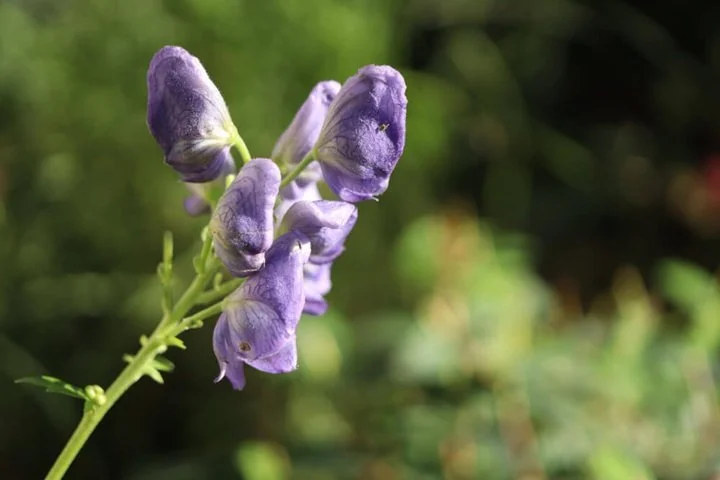
Monkshood (Aconitum napellus)
Toxic part: All, especially roots
Contact risk: Can absorb through broken skin.
Tip: Always wear gloves when gardening.
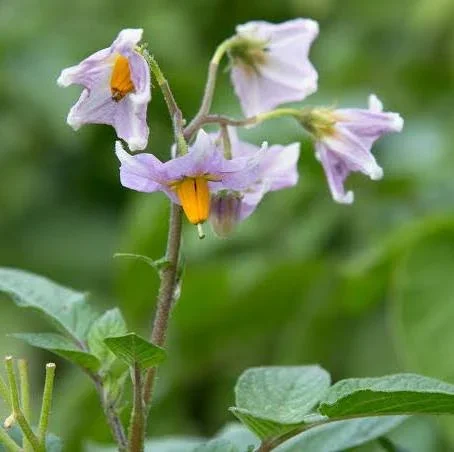
Deadly Nightshade (Atropa belladonna)
Toxic part: Berries & leaves
Symptoms: Dilated pupils, confusion, potential fatality.
Tip: Teach “never eat berries outdoors unless an adult says yes.”

Lily of the Valley
Toxic part: All parts
Symptoms: Vomiting, dizziness, rash, irregular heartbeat.
Tip: Wash hands after touching; keep out of reach.

Hydrangea
Toxic part: Leaves & flowers
Contains: Cyanogenic glycosides.
Symptoms: Stomach pain, nausea.
Simple Ways to Make Your Garden Safer
Teach: “If you don’t know what it is, don’t touch or taste.” We call anything inedible a ‘LIE-Berry’, it’s pretending to be a berry.
Plant placement: Keep toxic plants at back of borders if you can’t eliminate them.
Barriers: Use low fences or gates to limit toddler access and never leave your toddler alone in the garden.
Tidy-up: Remove fallen berries and leaves.
Personal protection: Wear gloves; store tools securely.
Know your neighbours’ plants—berries creep over and fall across fences.
Here’s our Free Miss-Nothing Child-Proofing Checklist. Download it now!
Beyond the Garden: Wild Walk Awareness
Many toxic species—black bryony, hemlock, giant hogweed—grow in hedgerows.
Make family walks a game: spot but don’t touch.
Curiosity is wonderful—safety makes it last.
My son loves pointing out the nettles on every walk or ride and is well versed with the sting of those lil suckers! He never misses them now!
FAQs
What should I do if my child eats a poisonous plant?
Call 111 or 999 if they are unwell. Rinse their mouth with water, remove any plant material, and take a sample to hospital.
Are daffodils poisonous to pets?
Yes—especially the bulbs. They can cause vomiting and cardiac problems in dogs and cats.
Which plants are safe alternatives for family gardens?
Try lavender, sunflowers, marigolds, and snapdragons – all non-toxic and beautiful.
Join the Parent First Aid Newsletter
Want weekly confidence boosts and practical first-aid tips?
Join our free Parent First Aid Newsletter — helping you stay calm, confident, and capable when it matters most.
👉 [Join Now]

About the Author
Jo Whalen is a Critical Care Paramedic (HCPC Registered), NHS Resuscitation Practitioner, and RCUK Instructor with 15 years of healthcare experience.
Founder of Project CPR, partnered with LifeVac UK, and trusted by NHS Trusts and Sussex primary schools.
She teaches parents life-saving skills through her mission to turn panic into preparedness.
Medical Disclaimer
This article is for educational purposes only and does not replace professional medical advice.
If you suspect poisoning or an emergency, call 999 or 111 immediately.
Content reviewed by healthcare professionals following NHS and RCUK guidelines.